Content syndication is one of those terms that sounds more complicated than it actually is.
Search for it online and you will find articles full of jargon — intent signals, ABM frameworks, demand generation funnels. Most of it is written for enterprise marketing teams with six-figure budgets and dedicated operations staff.
But here is the thing. Content syndication, at its most basic level, is something any brand can use. And if you have ever distributed a press release, placed a guest post, or published branded content on a third-party platform — you have already done it.
This post is about what content syndication actually means in practice, why it matters for brand visibility, and how to use it without turning it into a complicated project.
So What Is Content Syndication, Really?
Strip away the jargon and content syndication means one thing — taking your content and getting it published on platforms other than your own.
That is it.
Think about it this way. You write a blog post and publish it on your website. That is owned content. Now imagine that same blog post, or a version of it, appearing on a national news portal, a business media site, an industry publication, or a wire service. That is syndication. Your content, on someone else's platform, reaching their audience.
The reason brands do this is simple. Your own website reaches the people who are already looking for you. Syndication reaches everyone else.
And honestly — that is where most of your potential customers actually are. On platforms they already read and trust. Not searching for you specifically, but finding you because you showed up where they were already paying attention.
The Three Ways Brands Actually Syndicate Content
There is no single way to syndicate content. But here are the three formats that consistently work for brands at any stage.
Press Release Distribution
A press release is syndication in its most direct form. You write an announcement — a product launch, a funding round, a new partnership — and it gets distributed across dozens or hundreds of publications simultaneously.
Each publication that picks it up is syndicating your content to its own audience. A national news portal, a business media site, a regional language platform, an international wire service — each one is taking your story and putting it in front of people who were never going to visit your website that day. But here is the catch — the distribution part matters just as much as the writing. A press release that goes to five contacts is not syndication. A press release that goes out across 1,000+ publications through a proper distribution network actually is.
At Kanil PRwire, press release distribution covers national portals, regional language platforms, business media, and international wire services including GlobeNewswire, PRNewswire, ANI, and AccessNewsWire — all from a single brief.
Guest Posting
Guest posting is content syndication with a byline.
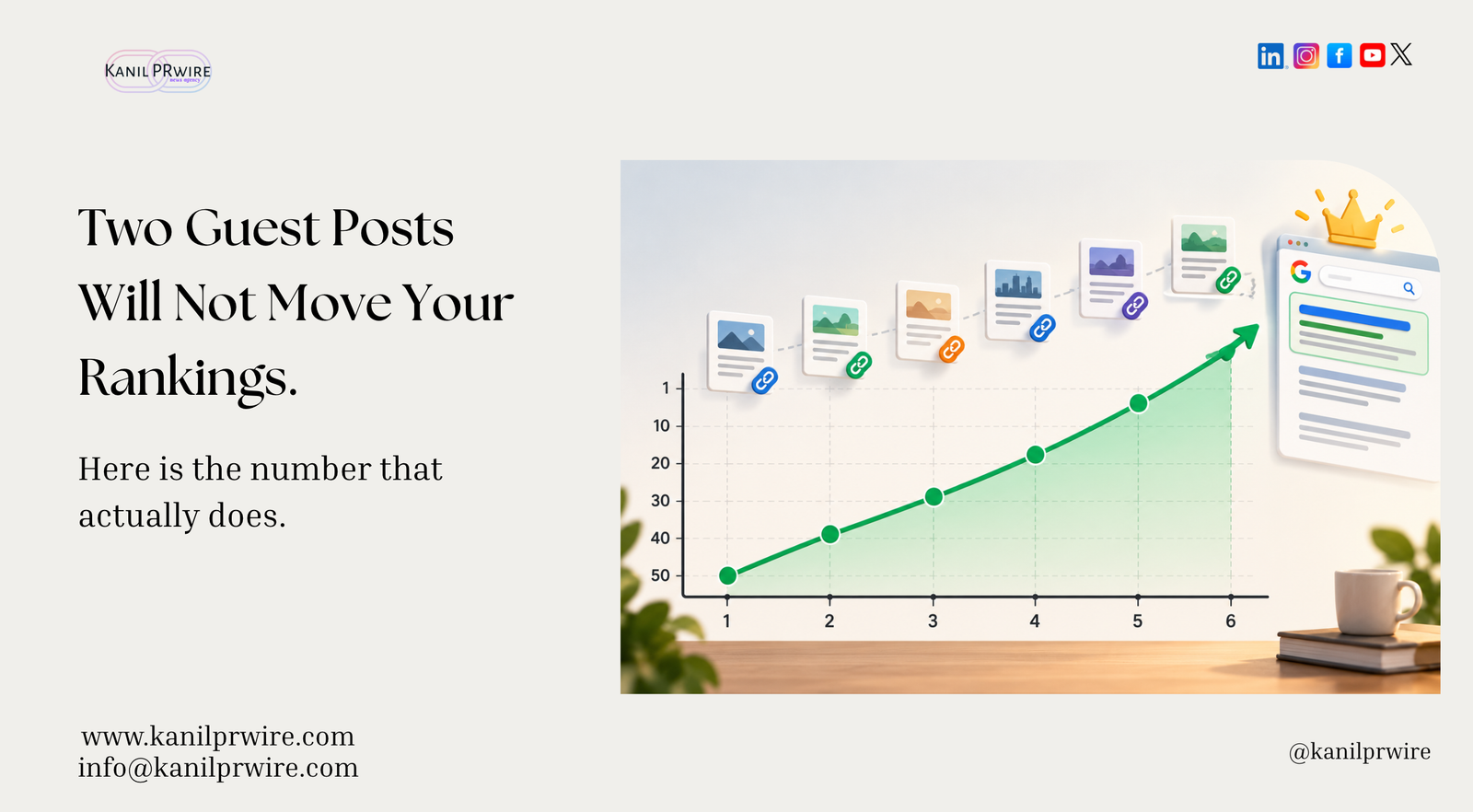
You write an original article, it gets published on a third-party platform, and their audience reads it under your brand's name. The platform gets fresh editorial content. You get visibility, credibility, and a quality backlink pointing back to your site.
Honestly, this is one of the most underrated forms of syndication for growing brands. A single well-placed guest post on the right platform can send more qualified traffic than months of social media posting — because the audience already trusts the platform they are reading on. That trust transfers to you.
Content Publishing on Third-Party Platforms
Beyond press releases and guest posts, there is a broader category of branded content — sponsored articles, product features, thought leadership pieces, brand stories — placed across relevant publications.
This is syndication at its most flexible. You are not tied to a specific news format or a bylined article structure. You are simply getting your brand's content onto platforms your audience reads, in formats those platforms publish.
Why It Actually Matters
Here is what syndication does that your own website and social media cannot.
When someone encounters your brand on a platform they already trust — a news site, a business publication, an industry portal — they arrive with a different level of trust than someone who clicked an ad. The platform's credibility extends to you. That is not something you can buy with advertising. It happens because you showed up editorially.
There is also the SEO dimension. Every publication that syndicated your press release or published your guest post adds an indexed mention of your brand across the web. Search engines notice. Someone searching for your company name three months from now may find media coverage before they find your website. That coverage shapes how they perceive you before they even land on your homepage.
And then there is the simple math of reach. Your website audience is whoever is already looking for you. Syndication multiplies that by reaching the audience of every platform your content appears on. One announcement. Dozens of platforms. Thousands of new readers who had never heard of your brand before that day.
Where Brands Get This Wrong
A few patterns come up regularly.
Some brands treat syndication as a one-time thing. One press release. One guest post. And then nothing for months. Syndication compounds over time — consistency is what builds a media presence, not a single placement.
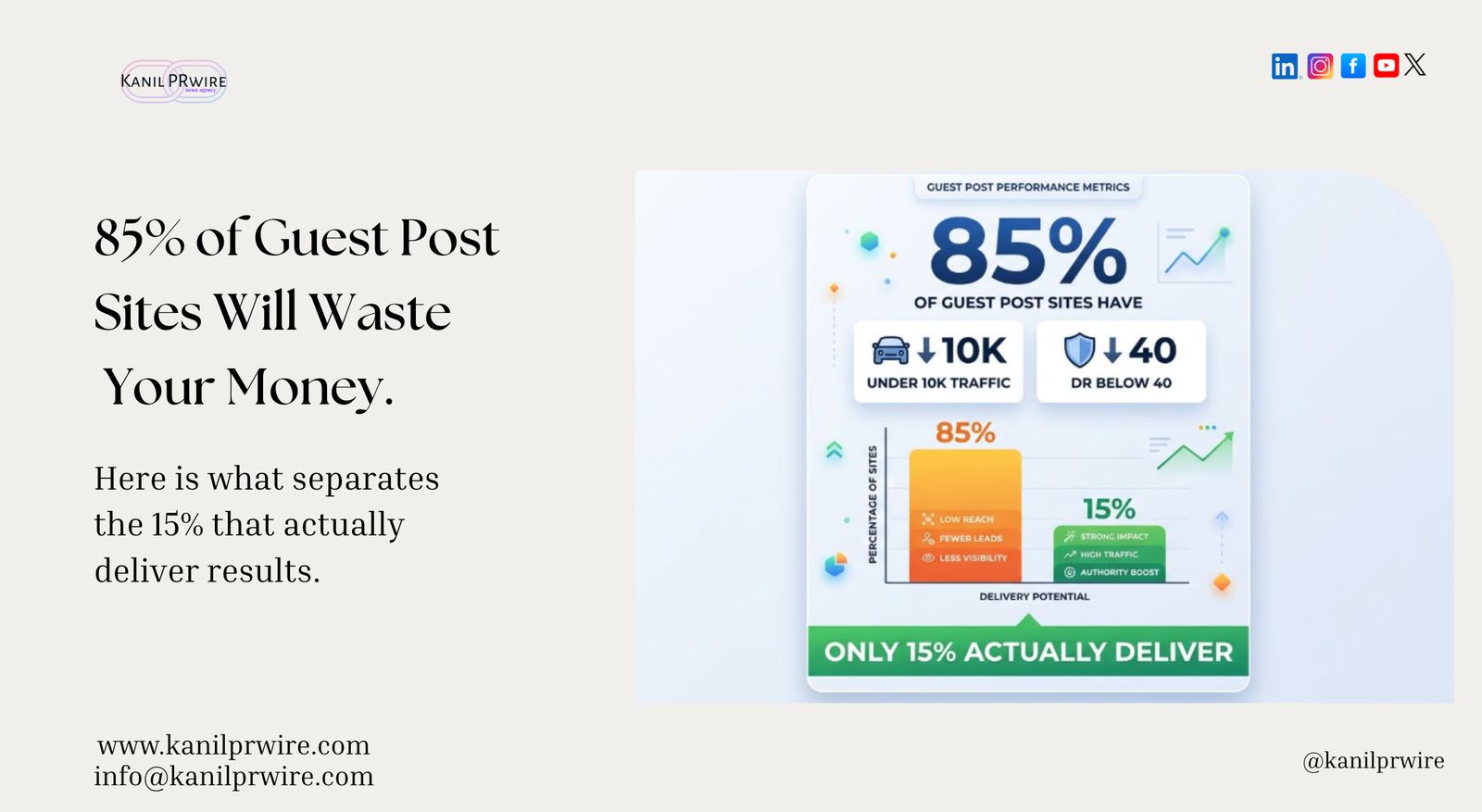
Others focus on volume without targeting. Getting published on 50 platforms that your audience does not read is less valuable than getting published on 10 platforms they do. The question is not how many — it is where.
And some brands do not verify that their content actually appeared where they were told it would. Real syndication produces live URLs. Actual pages on actual websites that you can open and check. If your distribution partner cannot show you that, the question of where your content went remains unanswered.
How to Start Without Overcomplicating It
You do not need a sophisticated strategy to start syndicating content. You need three things.
Something worth publishing — a genuine announcement, a useful insight, a brand story that provides real value to the audience on the other end.
The right platforms — publications that your target audience actually reads, in the niche and geography that matters for your brand.
A reliable distribution partner — someone who can get your content onto those platforms consistently, with live URLs confirming every placement.
At Kanil PRwire, that is the entire model. Press release distribution, guest posting, and content publishing across 1,000+ publications — national, regional, business, and industry-specific — alongside international wire syndication through GlobeNewswire, PRNewswire, ANI, and AccessNewsWire.
Transparent pricing at pricing.kanilprwire.com. Live URLs for every placement. No bundled packages with outlets you did not ask for.
If you want to talk through what content syndication looks like for your brand specifically, reach out on WhatsApp at +91-9759615049 or through our contact page.
Content syndication is not a complicated enterprise tactic. It is just the practice of making sure your content reaches beyond your own walls — onto the platforms where your audience is already reading, in a context they already trust.
You have probably already done a version of it. The question is whether you are doing it consistently enough to see it compound.
Kanil PRwire offers press release distribution, guest posting, and content publishing across 1,000+ publications in India and internationally, with wire syndication through GlobeNewswire, PRNewswire, AccessNewsWire, and ANI. Visit kanilprwire.com or explore the full network at pricing.kanilprwire.com.